
Origin of Fibre
Selecting world’s finest fibres to produce the most exclusive, exceptional fabrics.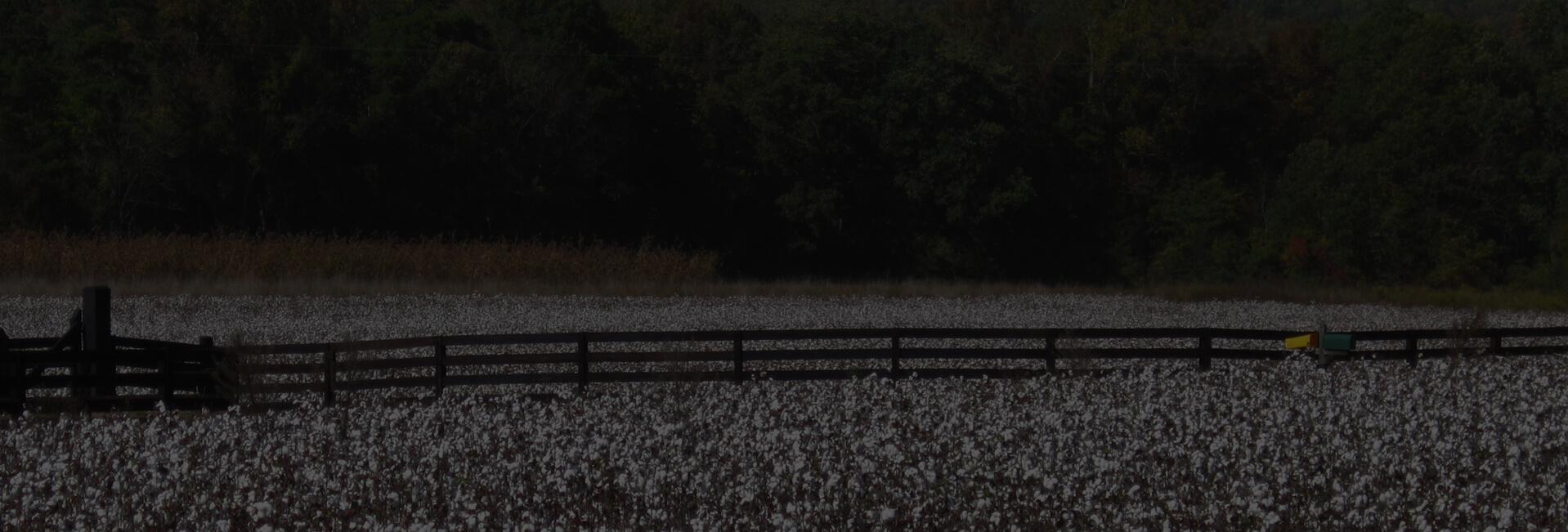
The history of The House of Solar is interwoven with the constant search for the rare and luxurious. Solar explores breeding farms around the world each year to select the most precious fibres and produce exceptional fabrics.
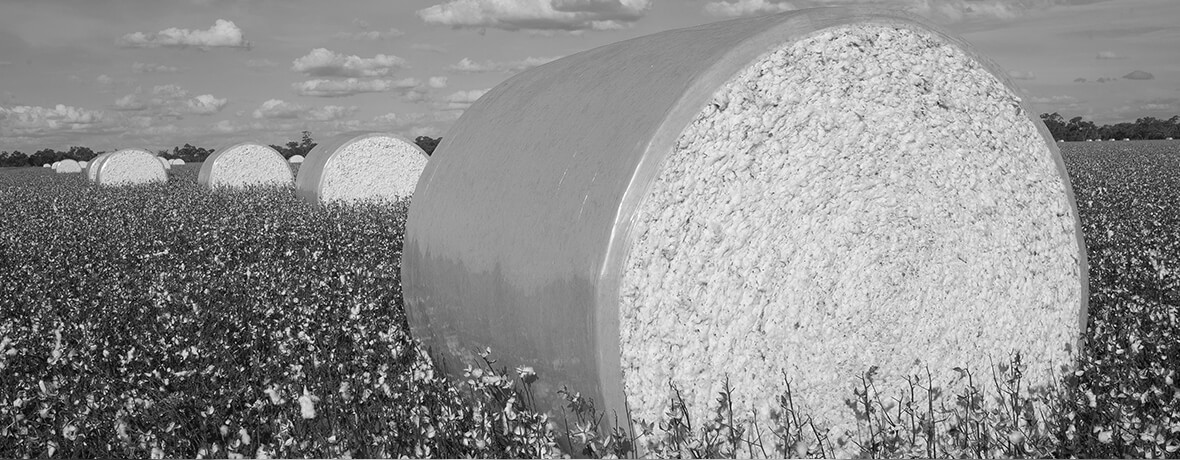
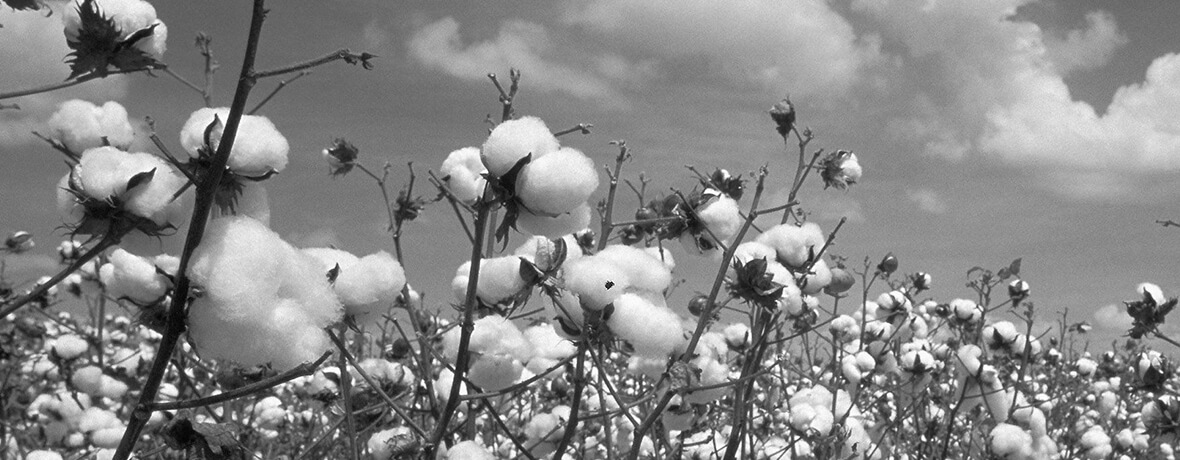
Cotton
Cotton is a natural, soft and breathable fabric. Evidence suggests that the fabric was used for the first time in India dated as early as 3000 B.C.
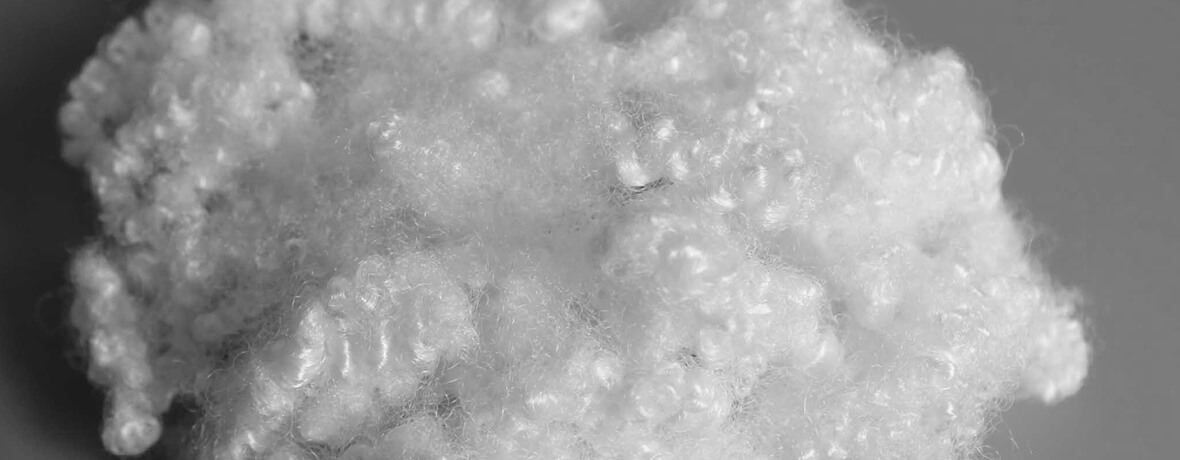
Polyester
Polyester is scientifically made using a combination of an organic compound and petroleum. It is blended with fabrics like cotton in order to make stain and wrinkle resistant clothing. The biggest advantage of polyester is that it retains its shine, color and shape even after continuous washing.

From Fibre to Yarn
Transforming finest fibres into high quality yarn for weaving.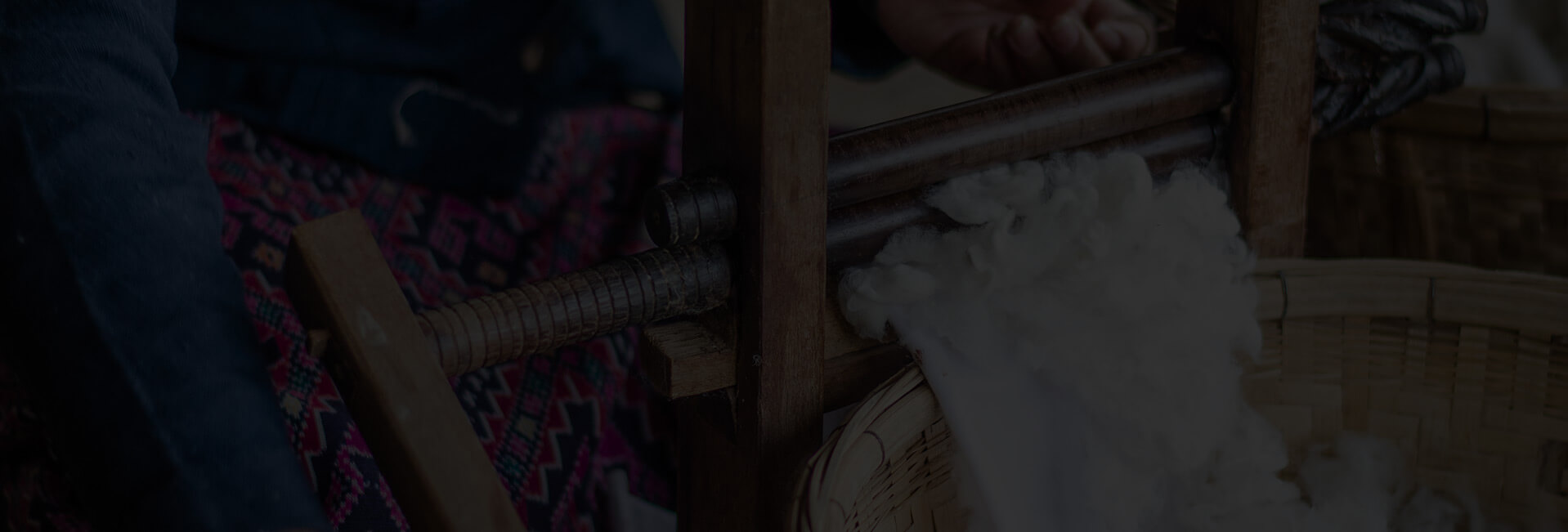
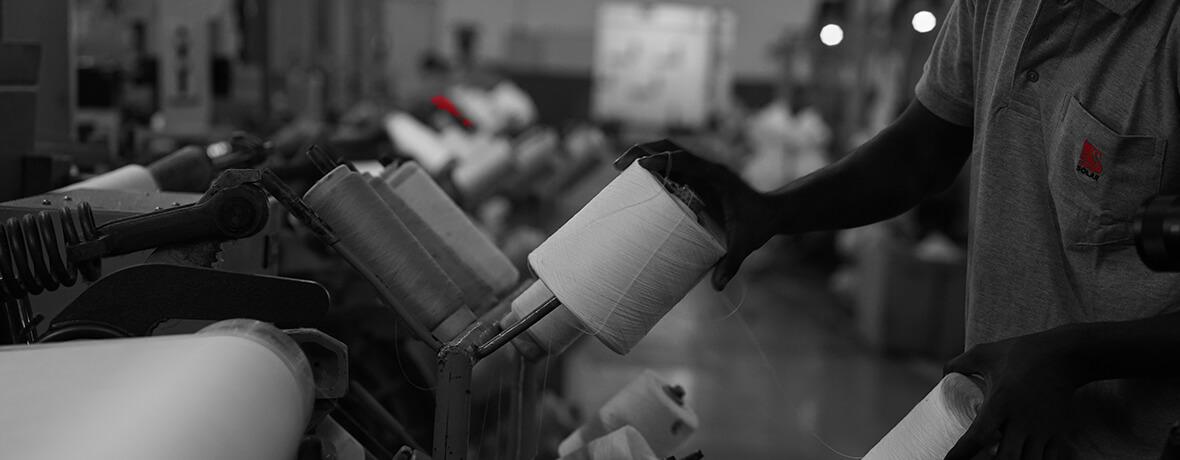
After shearing or harvesting, the fibres are transformed into high-quality yarn for weaving with the help of various treatment steps. The artisan breeders take care of initial cleaning and sorting after which the best weavers and leading experts handle the next stages in the production process.
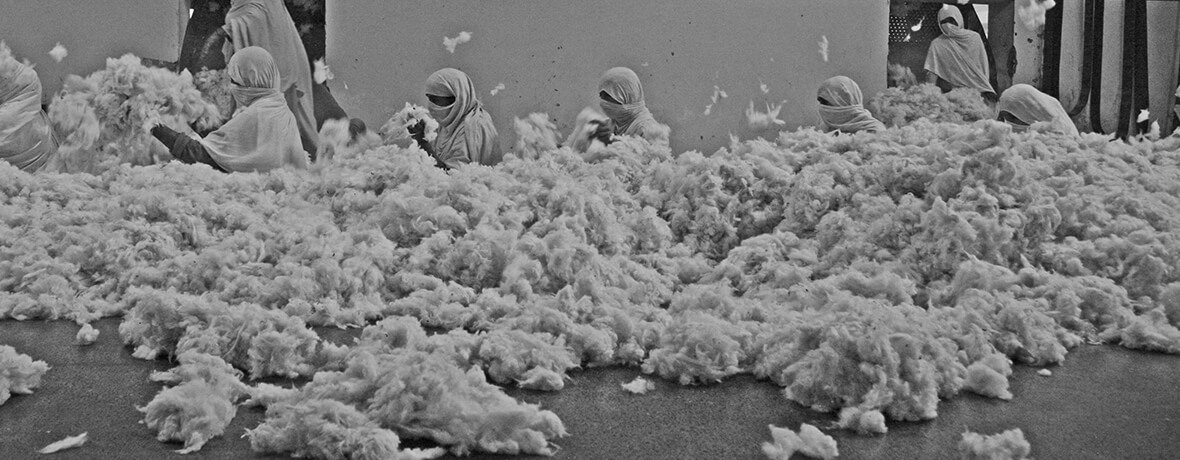
Sorting the Cotton fibre
Artisans manually separate fibres into a number of qualities, and sort each fibre depending on its fineness.
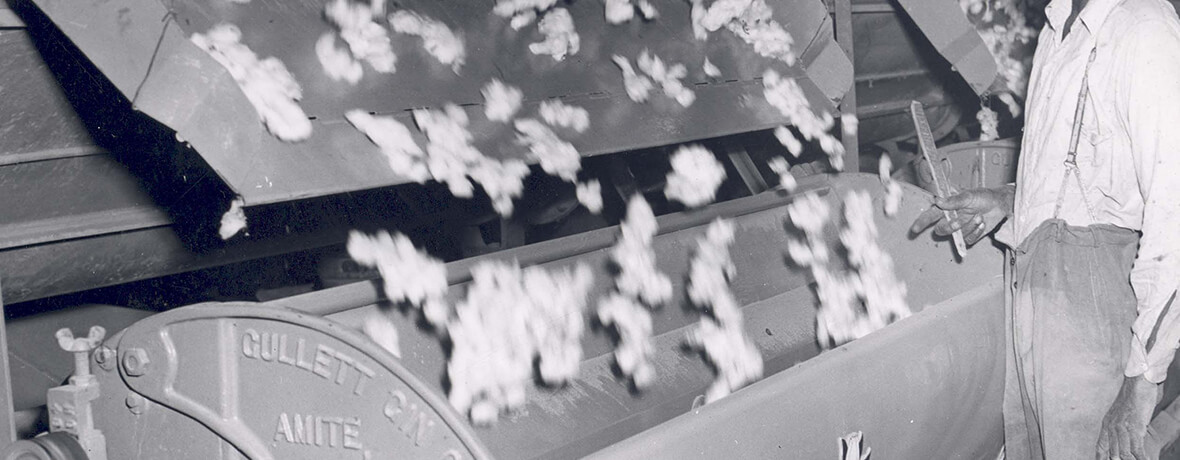
Cleaning the Cotton fibre
Impurities like grease, straw and dirt are removed by washing the fleece.
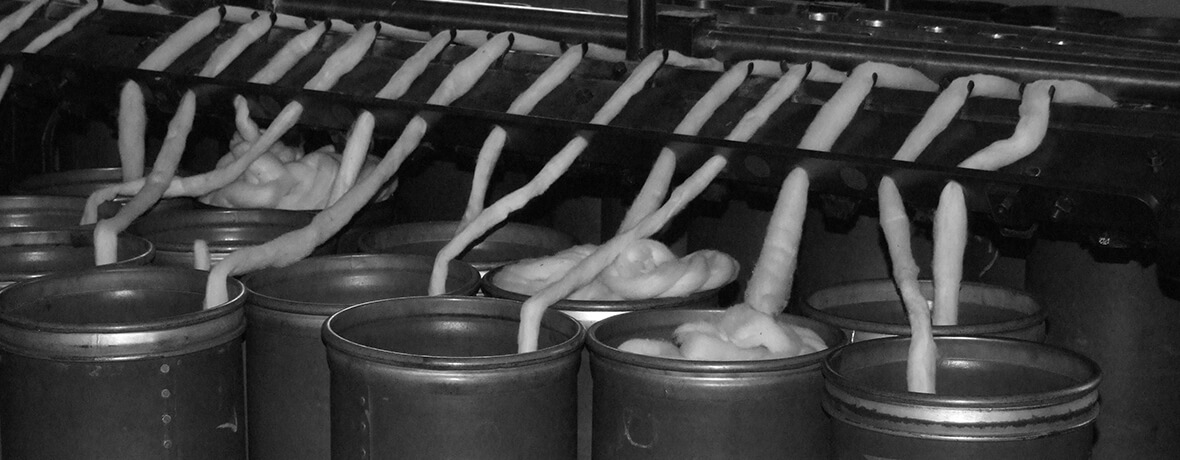
Carding the fibre
In this stage, blends of fibres are made by separating the wool fibres, disentangling and airing them to give a carding strand.
Carding the fibre
The short fibres are removed after the long fibres are combed to align the fibres in parallel.
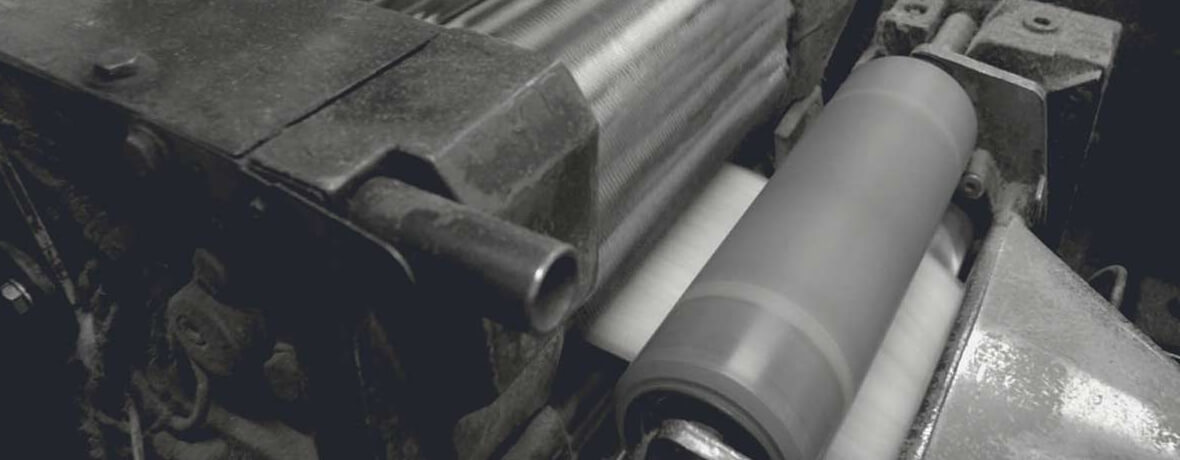
The « Top »
In this stage, the <
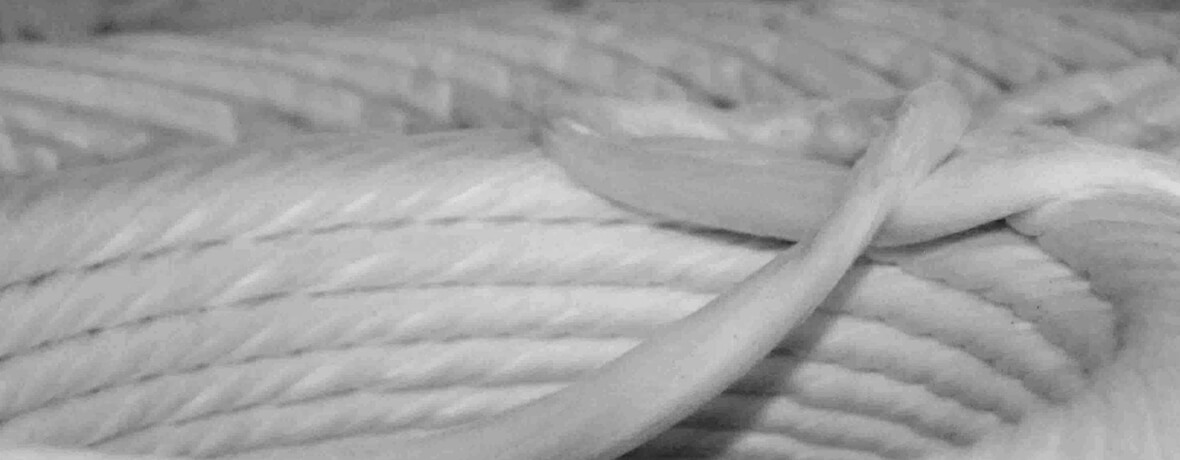
Dyeing the « Top »
Before spinning, the strands are dyed in bulk.
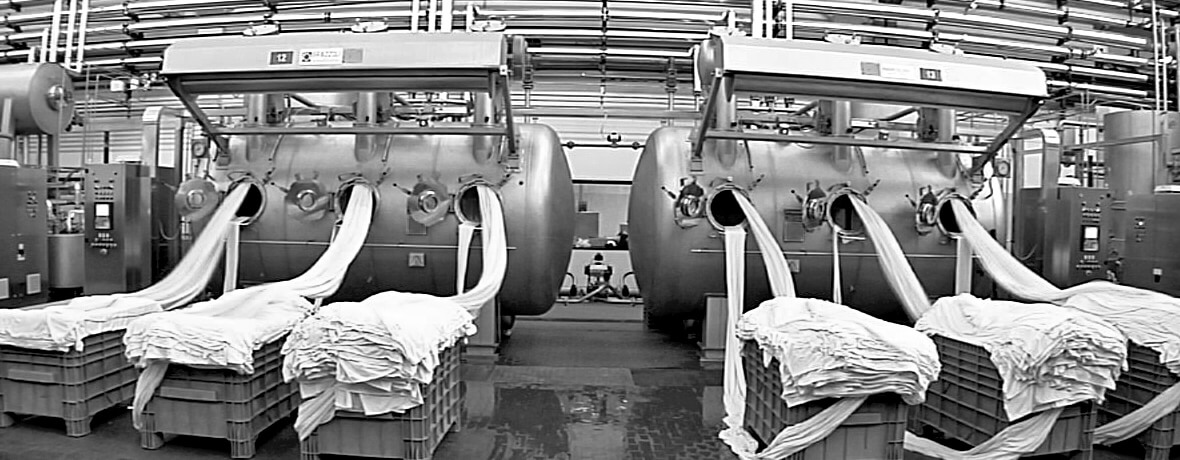
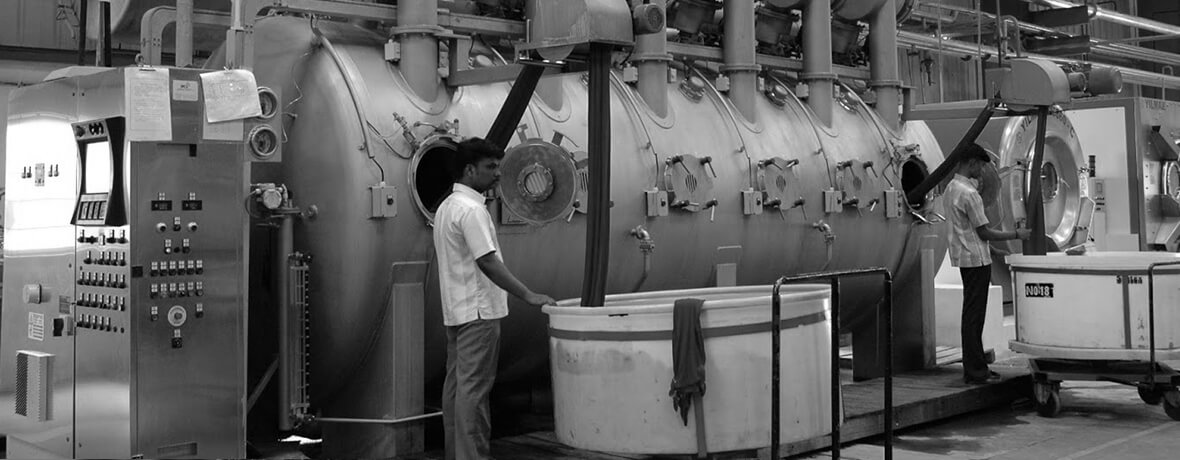
Spinning the fibre
A more durable, continuous yarn is obtained by twisting the fibres. In this stage, fibres are transformed into a smooth, fine, compact yarn.

From Yarn to Fabric
Solar’s Manufacturing Premises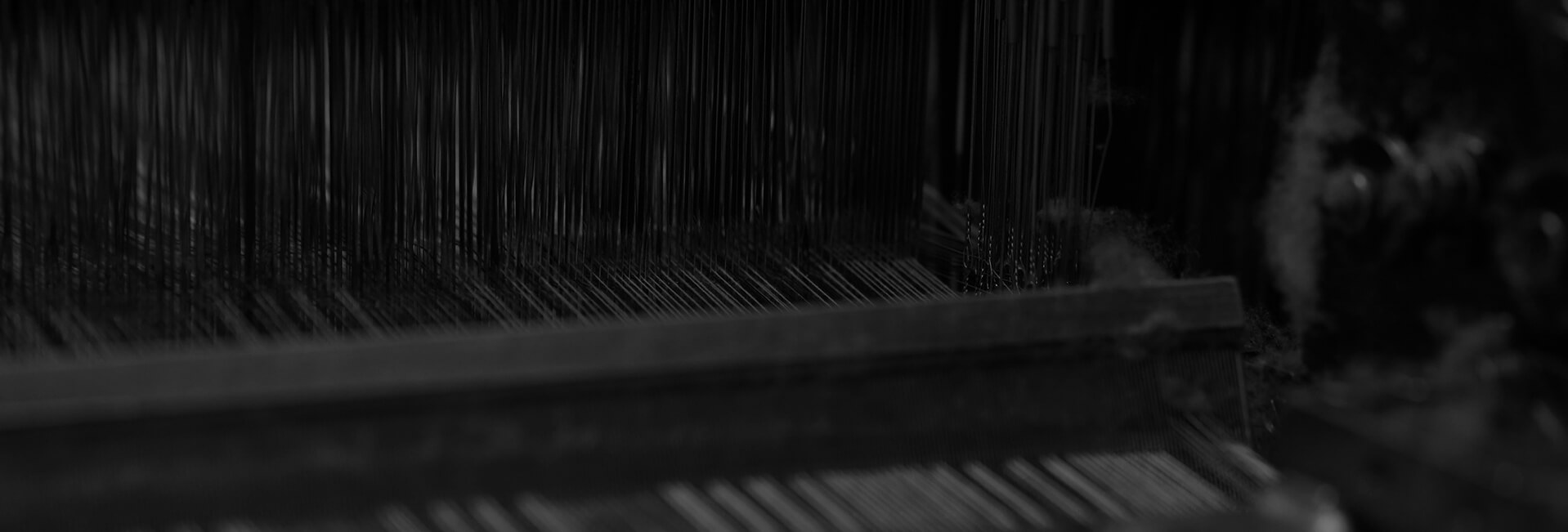
We develop fabrics which are the perfect combination of innovative techniques and traditional methods. This helps us provide a soft finish and a flawless drape.
1. Bringing a collection to life
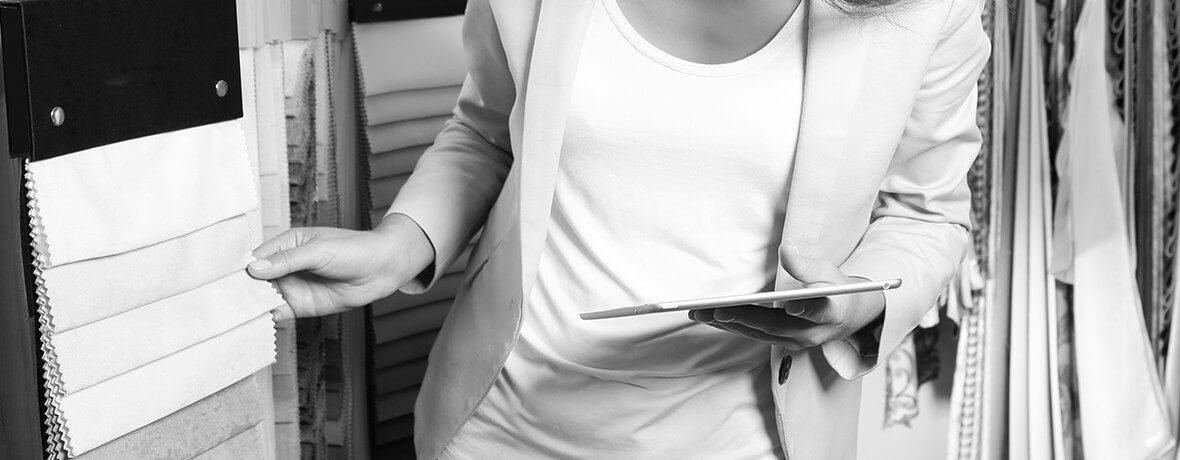
We create world-class fabrics in each collection. The House of Solar designs new, innovative fabrics on a regular basis.
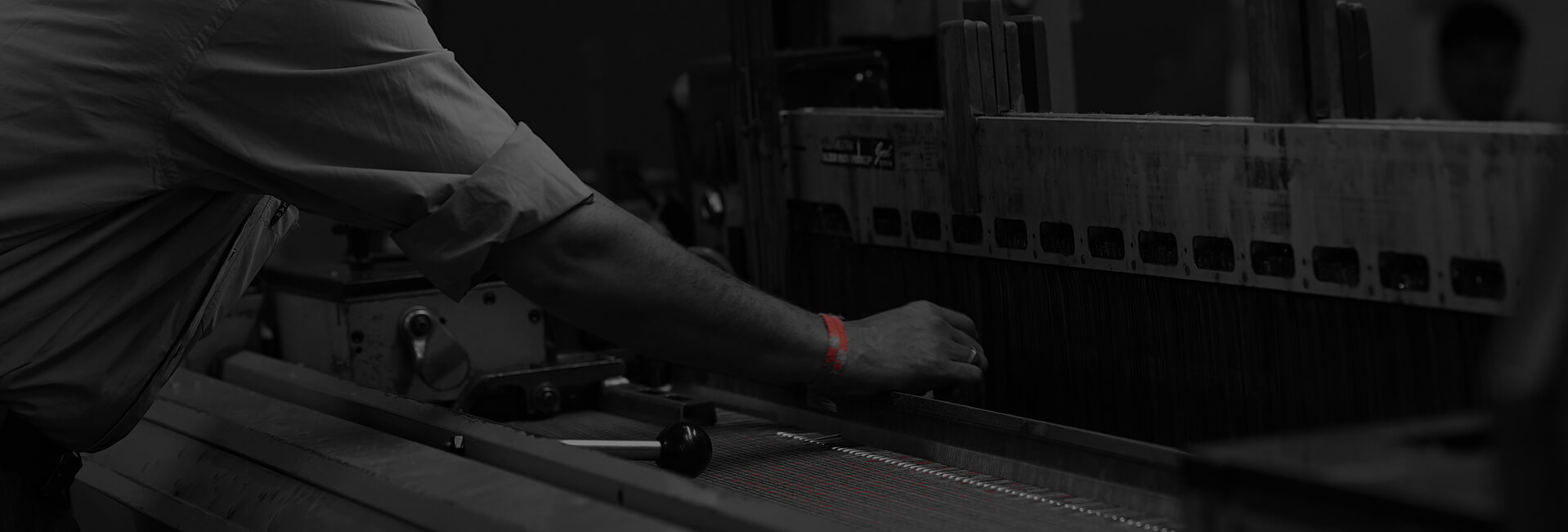
2. Warping
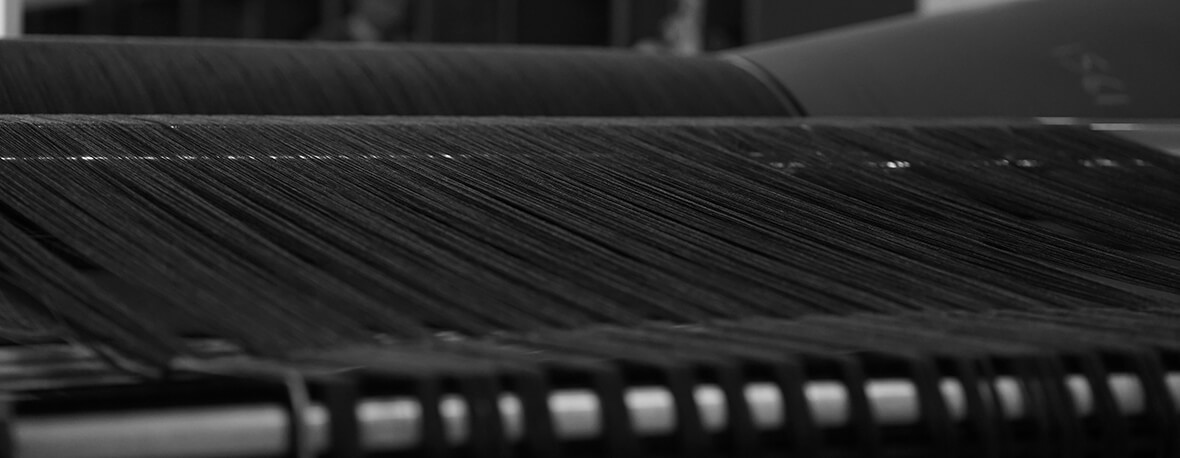
This process involves the unwinding of yarn cones onto a warp beam ready for weaving. Then, the warp cones are wound in parallel at an even tension and specific order in a process called as drawing-in.
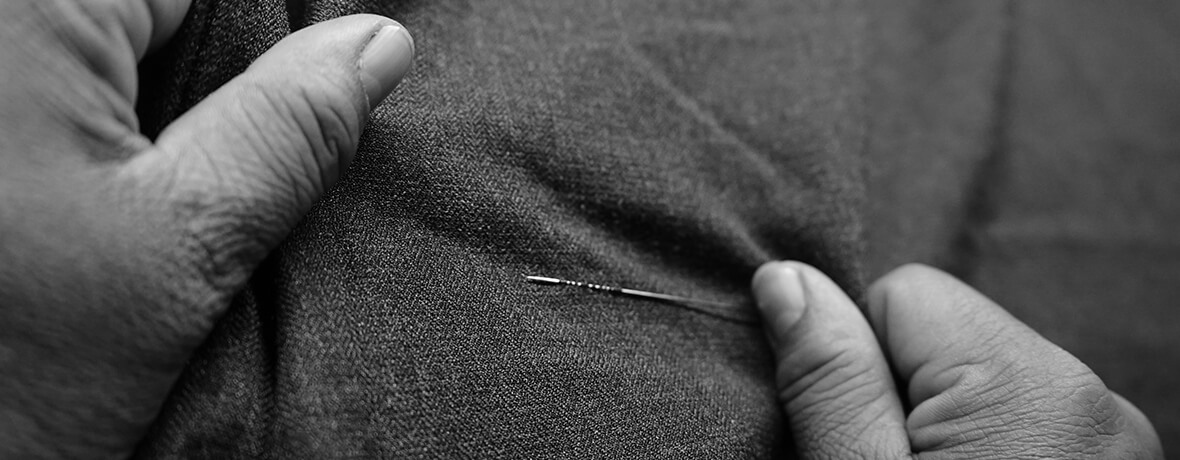
3. Darning
A powerful magnifying device is used by darners in order to examine the fabric. This helps in repairing all fabrics by hand with the help of a needle.
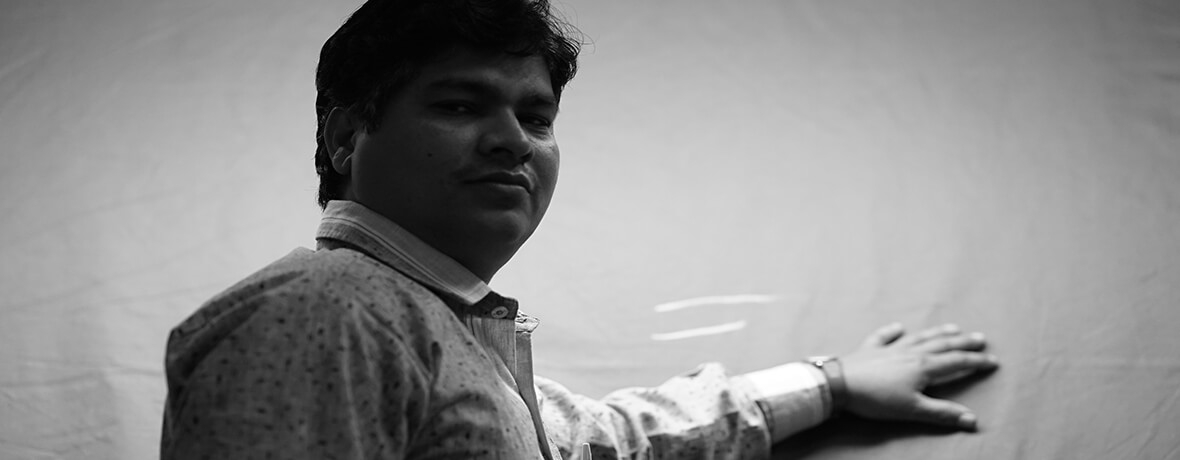
4. Burling
A perfectly smooth surface for finishing is provided by removing all the knots. This process is performed at the same time as darning.
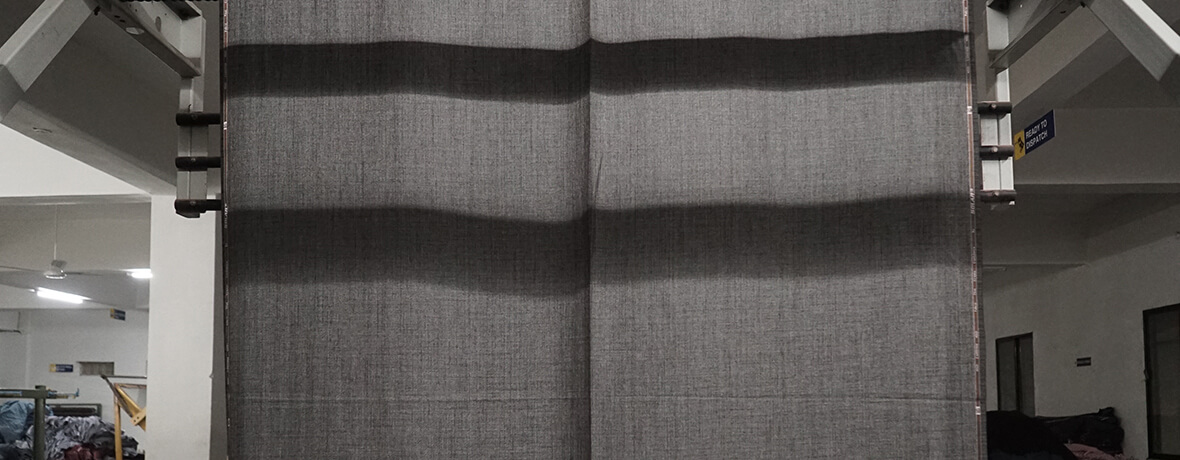
5. Finishing
The raw fabric that comes off is transformed into finished fabric fit to make clothing with the help of more than 50 finishing techniques like high pressure washing, stabilization treatments, steaming and singeing.
This is the place where the world’s rarest fabrics are turned into the world’s finest garments.
